
The Art of Edging and Mulching: Transform Your Landscape

Updated: Jun 4
Why Edging Matters More Than You Think
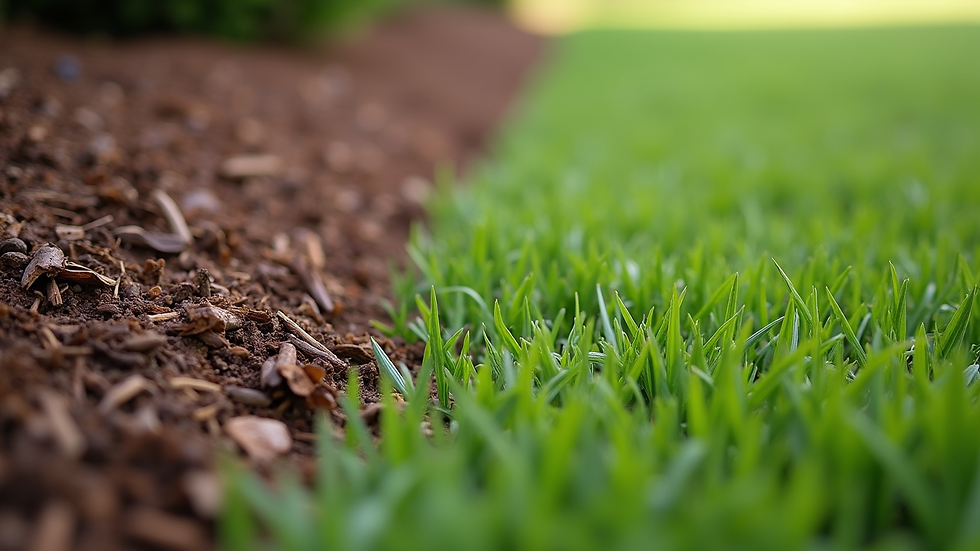
When you think about mulching, you probably picture spreading a layer of wood chips or bark around your plants. While mulch helps retain moisture, suppress weeds, and improve soil, mulching alone won’t give your garden that polished look. The edge between your lawn and garden bed plays a crucial role in defining your landscape’s appearance.
Without a proper edge, grass and weeds creep into your garden bed, mixing with the mulch and creating a messy, overgrown look. A well-cut edge acts as a barrier, keeping grass roots from invading and maintaining a clean separation. This makes your mulch stand out and your plants the star of the show.
Hand-Edged Beds Versus Power-Edged Beds
There are two main ways to create garden bed edges: hand edging and power edging. Each has its place depending on the size of your yard, the look you want, and how much time you want to spend.
Hand-Edged Beds
Hand edging uses simple tools like a half-moon edger or a spade to cut a narrow trench between the lawn and bed. This method allows for precise control and works well for small or curved beds. It creates a clean, sharp line that looks natural and neat.
Best for small to medium beds
Takes more time and physical effort
Allows for detailed shaping around plants and curves
Power-Edged Beds
Power edging uses a motorized tool with a rotating blade to cut through grass and soil quickly. It’s ideal for larger yards or straight edges along sidewalks and driveways. Power edging creates a deep, uniform cut that lasts longer and resists grass encroachment better than hand edging.
Best for large or straight-edged beds
Faster and less physically demanding
Produces a consistent, professional look
Both methods improve the appearance of your mulch by creating a defined border that highlights your garden beds and keeps grass at bay.
How Proper Edging Enhances Your Mulch Results
When you combine professional bed edging with mulching, the results are striking. The edge creates a frame for your mulch, making the colors and textures pop. It also helps mulch stay in place, preventing it from spilling onto the lawn or pathways.
Proper edging reduces maintenance by:
Preventing grass and weeds from invading the bed
Making mowing easier without damaging plants
Keeping mulch contained and looking fresh longer
This means your yard stays tidy and attractive with less effort.
See the Difference: Before and After

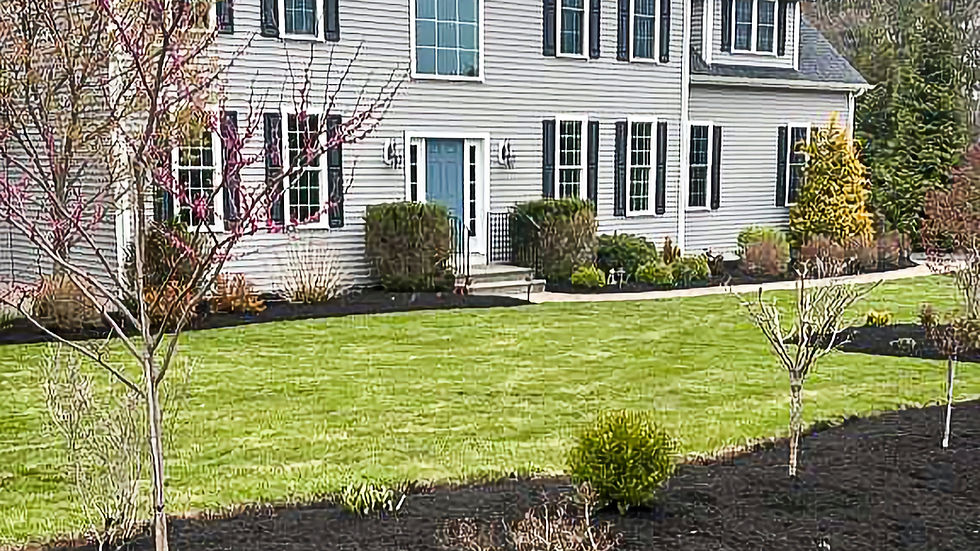
A recent DRM project shows how professional bed edging transforms a yard. Before, the garden bed had uneven, overgrown edges with mulch spilling into the lawn. After power edging and fresh mulching, the bed has crisp lines and a clean, polished look that enhances the entire landscape.
The Benefits of Professional Edging and Mulching
Investing in professional edging and mulching services can elevate your outdoor space. Here are some key benefits:
Enhanced Curb Appeal
A well-maintained landscape attracts attention. Neat edges and fresh mulch create a welcoming atmosphere. This is especially important for residential and commercial properties. A polished look can make a lasting impression on visitors and clients alike.
Increased Property Value
Landscaping can significantly impact property value. A beautifully edged and mulched garden can enhance your home’s appeal. This can be a deciding factor for potential buyers. Investing in quality landscaping services is an investment in your property’s future.
Eco-Friendly Practices
Using organic mulch can improve soil health and support local ecosystems. Proper mulching retains moisture, reducing the need for frequent watering. This eco-friendly approach benefits your garden and the environment.
Time-Saving Solutions
Maintaining a tidy yard can be time-consuming. Professional edging and mulching services save you time and effort. With less maintenance required, you can enjoy your outdoor space without the hassle.
Thinking about refreshing your beds this season? We're happy to walk you through what professional edging and mulching could look like for your yard — just reach out and we'll take it from there.
Your garden will thank you.


Comments