
Unlocking the Power of Mulching: Transform Your Garden and Landscape With the Right Choices

Mulching is one of the simplest and most effective ways to improve your garden and landscape. Whether you want to boost plant health, reduce maintenance, or enhance curb appeal, the right mulch can make a big difference.
This post explores the key benefits of mulching, the types of mulch available in New England, how to choose mulch colors that complement your home, and tips for pairing mulch with stone walkways or patios for a polished look.

Key Benefits of Mulching for Gardens and Landscapes
Mulching offers several practical advantages that help both novice and experienced gardeners maintain healthy, attractive outdoor spaces.
Moisture Retention
Mulch acts as a protective layer that slows evaporation from the soil. This means your plants receive consistent moisture, reducing the need for frequent watering, especially during dry spells.
Weed Suppression
A thick layer of mulch blocks sunlight from reaching weed seeds, preventing them from sprouting. This reduces competition for nutrients and saves you time spent on weeding.
Soil Temperature Regulation
Mulch insulates the soil, keeping it cooler in summer and warmer in winter. This helps protect plant roots from temperature extremes common in New England’s climate.
Soil Improvement
Organic mulches break down over time, adding valuable nutrients and improving soil structure. This encourages healthy root growth and supports beneficial soil organisms.
Erosion Control
Mulch helps prevent soil erosion by reducing the impact of rain and wind. This is especially useful on slopes or areas prone to runoff.
Enhanced Appearance
Mulch gives garden beds a neat, uniform look that highlights plants and landscaping features. It can instantly boost your home’s curb appeal.
By addressing these needs, mulching supports plant health and reduces garden maintenance, making it a smart choice for any landscape.
Different Types of Mulch Available in New England and Their Features
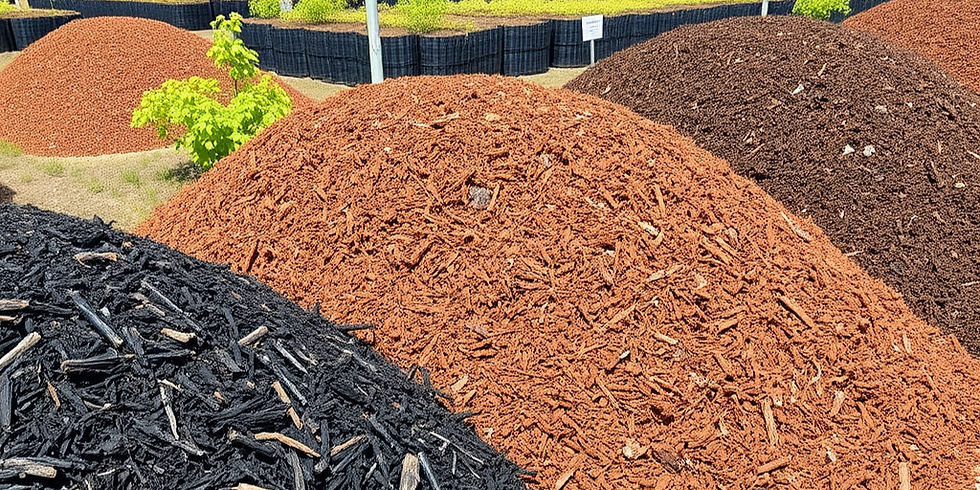
New England’s climate and local resources influence the types of mulch that work best. Here are some common options with their characteristics:
1. Hardwood Bark Mulch
Source: Shredded or chipped hardwood trees
Features: Long-lasting, breaks down slowly, rich dark color
Best for: Flower beds, shrubs, and trees
Benefits: Provides excellent weed control and moisture retention; adds organic matter to soil over time
2. Pine Bark Mulch
Source: Pine tree bark, often shredded or nugget form
Features: Attractive reddish-brown color, moderate longevity
Best for: Acid-loving plants like azaleas and blueberries
Benefits: Improves soil acidity, good moisture retention, and weed suppression
3. Cedar Mulch
Source: Cedar wood chips or shreds
Features: Aromatic scent, natural insect-repellent properties
Best for: Around ornamental plants and pathways
Benefits: Repels some pests, resists decay, and adds a pleasant fragrance
4. Pine Straw
Source: Fallen pine needles collected and baled
Features: Lightweight, natural look, acidic
Best for: Garden beds with acid-loving plants, vegetable gardens
Benefits: Good moisture retention, easy to spread, breaks down quickly adding organic matter
5. Compost Mulch
Source: Decomposed organic material
Features: Dark, crumbly texture, nutrient-rich
Best for: Vegetable gardens and flower beds needing soil enrichment
Benefits: Adds nutrients directly to soil, improves soil structure, supports beneficial microbes
6. Rubber Mulch (Synthetic)
Source: Recycled rubber from tires
Features: Long-lasting, does not decompose
Best for: Play areas, pathways, and places where low maintenance is desired
Benefits: Does not attract insects or mold, excellent weed barrier, but does not improve soil
Choosing the right mulch depends on your garden’s needs, plant types, and aesthetic preferences.
Organic mulches generally improve soil health, while synthetic options focus on durability.
Color Recommendations for Mulch That Complement Various Home Styles and Colors

Mulch color can dramatically influence the overall look of your landscape. Selecting the right shade helps create harmony between your garden and your home’s exterior.
Dark Brown or Black Mulch
Works well with light-colored homes such as white, cream, or pastel shades. The contrast makes plants stand out and gives a clean, modern look.
Red or Mahogany Mulch
Complements brick homes, red or brown siding, and rustic styles. The warm tones blend naturally with earthy exteriors.
Natural Pine or Cedar Mulch
Best for homes with natural wood siding, cabins, or cottages. The lighter, golden hues create a soft, organic feel.
Gray or Stone-Colored Mulch
Pairs nicely with contemporary homes featuring stone, concrete, or metal accents. This subtle color supports a minimalist aesthetic.
Golden Straw or Pine Needle Mulch
Ideal for gardens with lots of green foliage or colorful flowers. It adds brightness without overpowering the plants.
When selecting mulch color, consider the style and color of your home’s exterior, roof, and hardscape materials. Testing a small area first can help you visualize the final effect.
Tips on Matching Mulch with Stone Walkways or Patios for Cohesive Aesthetics

Stone walkways and patios are popular features in New England gardens. Coordinating mulch with these elements creates a unified and polished outdoor space.
Match or Complement Stone Colors
If your stone is warm-toned (like sandstone or brick pavers), choose mulch with warm hues such as red or brown. For cool-toned stones (like granite or slate), gray or black mulch works well.
Use Mulch to Define Edges
Apply mulch along the borders of stone paths to soften hard edges and create a natural transition between hardscape and planting areas.
Consider Texture Contrast
Pair coarse mulch like bark nuggets with smooth stone for visual interest. Fine shredded mulch works well with rough-textured stone.
Keep Mulch Away from Stone Surfaces
Avoid piling mulch directly against stone to prevent staining and moisture buildup that can cause moss or algae growth.
Use Mulch to Highlight Features
Place mulch around garden beds adjacent to patios to draw attention to plants and create inviting seating areas.
By thoughtfully combining mulch and stone, you enhance both elements and create a balanced, attractive landscape.
The Finishing Touch Your Garden Deserves
Mulching is one of those small investments that pays off all season long — and honestly, all year long in New England. Whether you're freshening up existing beds, tackling a new landscape project, or just trying to keep things looking sharp without spending every weekend in the garden, the right mulch makes the whole job easier.
Get Seasonal Tips Delivered to You
If you found this helpful and want more practical tips on caring for your landscape through every season, we'd love to stay in touch. We send out seasonal guides, planting advice, and landscaping ideas tailored for New England homeowners — nothing spammy, just useful stuff when it actually matters.
👉 Sign up for our newsletter and we'll send our free New England Seasonal Landscaping Checklist straight to your inbox — a great companion to everything covered in this post.


Comments